
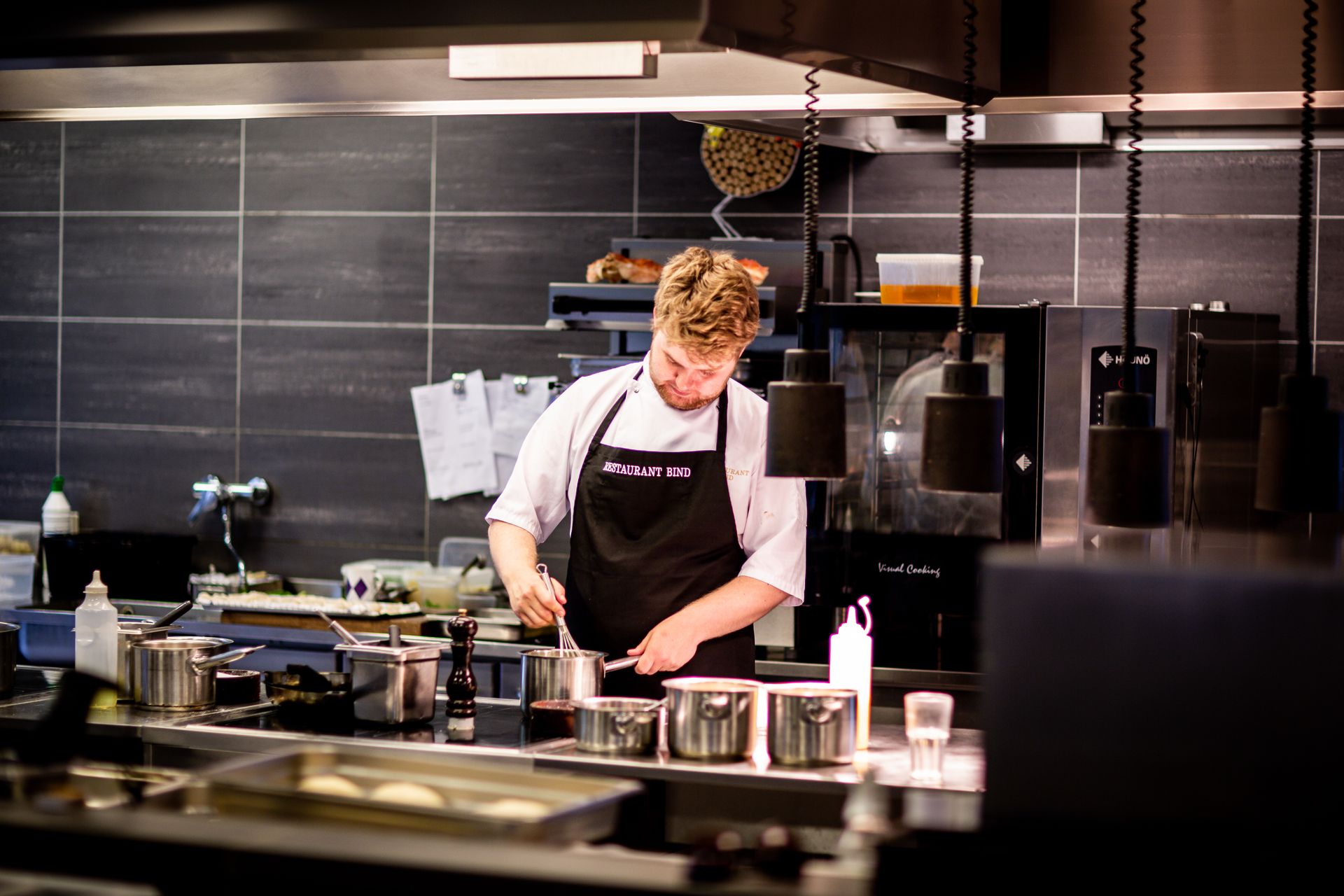
A restaurant owner looks at a packed dining room on a Saturday night and assumes the business is doing well. Two months later, the books tell a different story: food costs crept above 35%, tip allocations were inconsistent across pay periods, and a late HST remittance triggered a penalty. The revenue was real. The profit was not what it looked like.
Daily Sales and Cash Flow Tracking
Restaurants process dozens or hundreds of transactions every day across multiple payment methods: cash, debit, credit cards, and increasingly, third-party delivery platforms like Uber Eats and DoorDash. Each of those channels settles on a different timeline. Credit card processors deposit funds 1 to 3 business days after the transaction. Delivery apps may hold payouts for a week or more. Cash is immediate but needs to be counted, recorded, and deposited.
That means the bank account on any given day does not reflect what the restaurant actually earned that day. Without daily sales reconciliation, the gap between recorded revenue and bank deposits grows quickly, and discrepancies become nearly impossible to trace after the fact.
A proper small business bookkeeping setup for a restaurant starts with a POS system that exports daily sales summaries. Each day’s total sales, broken down by payment method and tax collected, gets matched against the corresponding deposits as they clear. This daily discipline is what separates restaurants that know their numbers from those that find out too late.
Tip Tracking and Payroll
Tips create a bookkeeping layer that most other businesses do not have to deal with. In Canada, tips are taxable income for the employee, and how they flow through the business determines the employer’s obligations.
Controlled tips, where the employer collects tips and distributes them (including tip pooling), are considered pensionable earnings. That means CPP contributions apply to both the employee and the employer. Direct tips, where a customer hands cash directly to the server with no employer involvement, are still taxable income for the employee but do not attract employer CPP obligations.
Most restaurants operate somewhere in between. Credit card tips are collected by the employer through the payment processor and distributed on paycheques, making them controlled tips. Cash tips left on tables may go directly to the server, making them direct tips. The bookkeeping system needs to track both types separately because they carry different payroll and bookkeeping obligations.
Tip pooling adds another dimension. If the house collects all tips and redistributes them by formula (a percentage to kitchen staff, a percentage to front of house, a percentage to bussers), every dollar needs to be tracked through the pool and out to the individual. The CRA expects T4 slips to reflect the actual tips received, not estimates. Inaccurate reporting is one of the most common triggers for CRA audits in the restaurant industry.
For employers, the payroll cycle in restaurants is typically biweekly, with a workforce that mixes full-time, part-time, and seasonal staff. Overtime calculations, statutory holiday pay, and vacation pay accruals all need to be accurate and allocated to the correct pay period. Source deduction remittances to CRA (income tax, CPP, and EI) follow the same schedule as any other employer, but the variable hours and tip income make the calculations more involved.
Food Cost and Inventory
Food cost is the single most important metric in restaurant bookkeeping. It represents the cost of ingredients as a percentage of food revenue, and the industry benchmark is between 28% and 35%. Above 35%, the restaurant is losing money on every plate regardless of how full the dining room is.
Tracking food cost requires matching purchases to revenue on a consistent basis, usually weekly. Every delivery invoice from suppliers gets recorded and categorized: proteins, produce, dairy, dry goods, beverages. At the end of each week, the total food purchases are compared against food revenue to calculate the actual food cost percentage.
Inventory counts tie the numbers together. Without a physical count at regular intervals, the food cost calculation relies entirely on purchases, which does not account for waste, spoilage, theft, or over-portioning. A weekly or biweekly inventory count, even a simplified one covering the highest-cost items (proteins, alcohol), gives the owner a real picture of where product is going.
Beverage cost follows the same principle but runs lower, typically between 18% and 24% for a well-managed bar program. Alcohol inventory is especially important because the margins are higher and the shrinkage risk (spillage, overpouring, unrecorded drinks) is greater.
In QuickBooks Online, food and beverage costs can be tracked through expense categories mapped to specific vendor invoices, giving the owner a real-time view of cost percentages without waiting for month-end.
HST on Restaurant Sales
HST on restaurant transactions depends on what is being sold. In Ontario, for example:
Basic groceries are zero-rated (0% HST). Prepared meals and beverages sold for immediate consumption are taxable at the full 13% HST rate. Catering services are taxable. Alcoholic beverages are always taxable.
A restaurant that also sells packaged food items (take-home sauces, baked goods, grocery items) needs to distinguish between zero-rated and taxable sales in the POS system and in the books. Getting this wrong means either overcharging customers HST on exempt items or underreporting HST collected, both of which create problems.
Input tax credits allow the restaurant to recover HST paid on business purchases: food supplies, equipment, cleaning products, professional services. But the ITC claim must be supported by proper documentation (invoices showing the supplier’s HST registration number and the tax amount). Missing or incomplete invoices mean lost ITCs, which directly reduces the restaurant’s cash flow.
HST filing frequency depends on annual revenue. Restaurants with over $1.5 million in annual taxable supplies file monthly. Between $500,000 and $1.5 million, quarterly. Below $500,000, annual filing is available, though the cash flow management argument for quarterly filing is strong in a business where HST collected can be substantial relative to margins.
Lease, Licensing, and Overhead
Restaurant overhead goes beyond rent and utilities. Liquor licensing fees, health inspection costs, music licensing (SOCAN and Re:Sound fees for playing music in a commercial establishment), POS system subscriptions, and delivery platform commissions all need to be categorized and tracked.
Rent in particular can be complicated. Many restaurant leases include a base rent plus a percentage rent tied to gross sales above a threshold. The percentage rent calculation requires accurate revenue reporting, which circles back to the daily sales tracking discipline. If the books understate revenue, the landlord is shortchanged. If they overstate it, the restaurant pays more rent than required.
Delivery platform commissions (typically 15% to 30% of the order value) are a significant cost that did not exist for most restaurants a decade ago. These commissions need to be tracked as a separate expense category, not lumped into general costs, because they directly affect the profitability of delivery versus dine-in revenue. A restaurant that looks profitable overall might be losing money on every delivery order once the commission is factored in.
When Restaurant Books Need Professional Help
Many restaurant owners start by handing receipts to a family member or doing the books themselves on weekends. That works when the operation is small and cash-only. It breaks down when daily transactions number in the hundreds, tip pools need to be reconciled against payroll, and the CRA expects HST remittances on a quarterly or monthly schedule.
The difference between bookkeeping and accounting is especially relevant for restaurants. The daily and weekly recording of sales, tips, purchases, and payroll is bookkeeping. The periodic analysis of food cost trends, profitability by revenue channel, and tax filing is accounting. Both need to be right, and the accounting is only as reliable as the bookkeeping feeding it.
A bookkeeper who understands restaurant operations can set up the chart of accounts to reflect how the business actually works: revenue split by dine-in, takeout, delivery, and catering; cost of goods split by food and beverage; labour split by front of house and back of house. That structure turns the books from a compliance obligation into a management tool that tells the owner where the money is actually going.
YMA works with restaurant owners across Canada to build and maintain bookkeeping systems that match the pace of the business, from daily sales reconciliation through to CRA-ready records at filing time.